Milestone 01Hover for photo→ 07
Apr 2009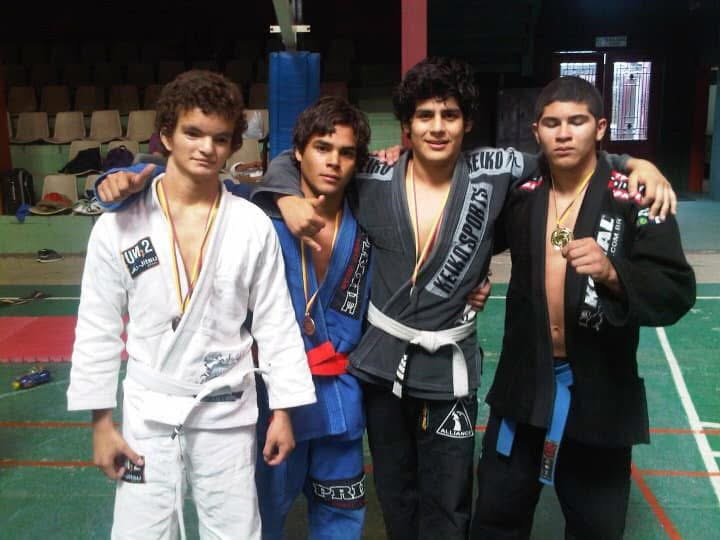
First class
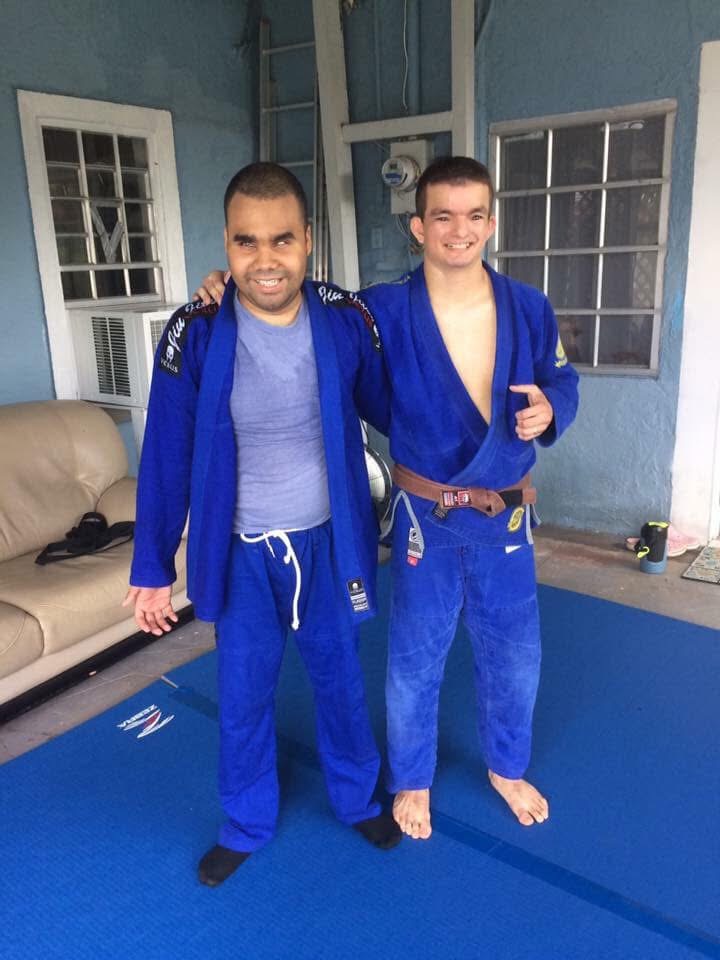
His cousin Andres Bonilla brings him to a high school martial arts room. He never leaves.
first medalsEcuador · 2009
Carlos was born in Ecuador with congenital glaucoma. His vision faded through childhood and went black for good in his early twenties. Three years before that, his cousin Andres pulled him onto a jiu jitsu mat — long enough to find out that grips and pressure don't need eyes. This is the long version. On the mat. In the dark. Hand on a grip.
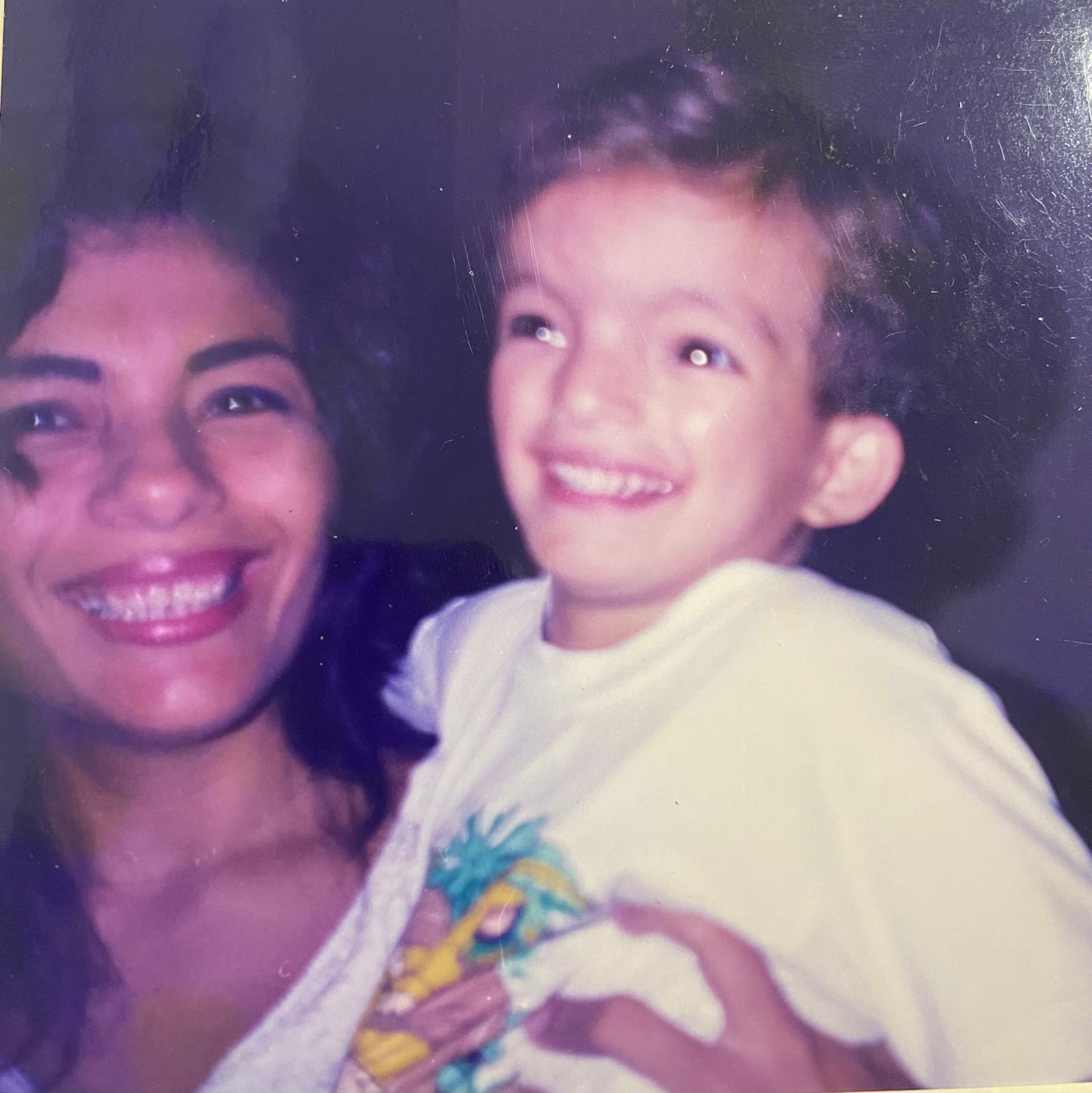
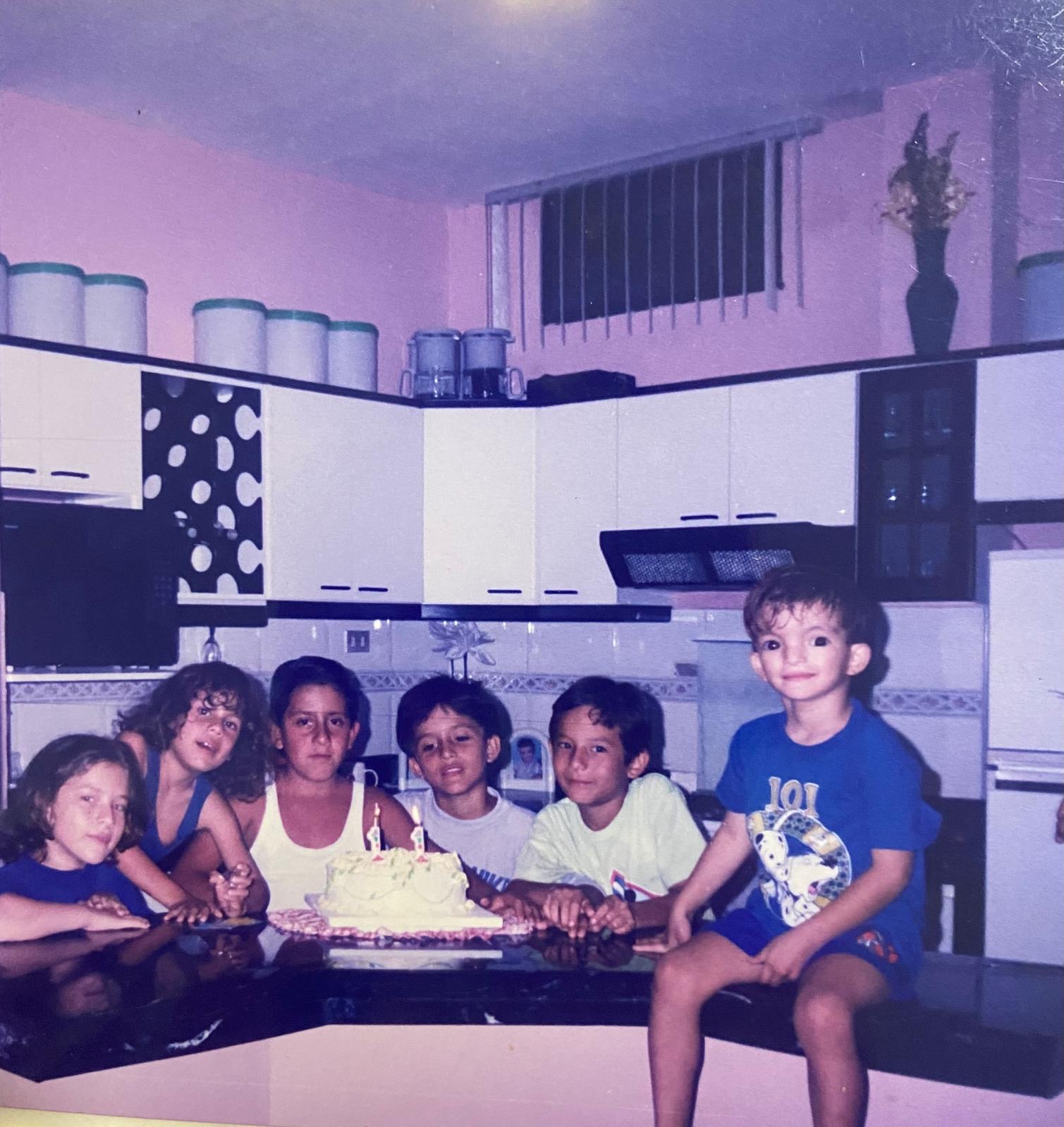
Congenital glaucoma. That was the diagnosis an Ecuadorian family received about their newborn son. The pressure behind his eyes was so high it physically enlarged them. The condition is progressive — there was no cure, only a long countdown.
His sight faded through childhood like a window slowly fogging over. Some mornings sharper than the last. Most mornings dimmer. For a kid trying to learn to read, write, and exist in a seeing world, every year took something else.
And his eyes — the very condition that was taking his sight — made him a target. They were larger than they should have been. Other kids noticed. The bullying started early and didn't stop. There were days he didn't want to be alive.
He needed to find a place that wouldn't look at him at all.
He walked into a jiu jitsu academy.
He never walked back out.
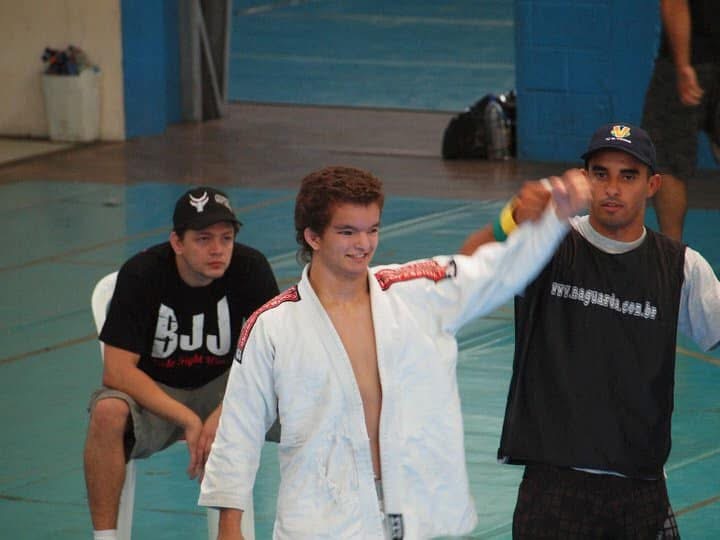
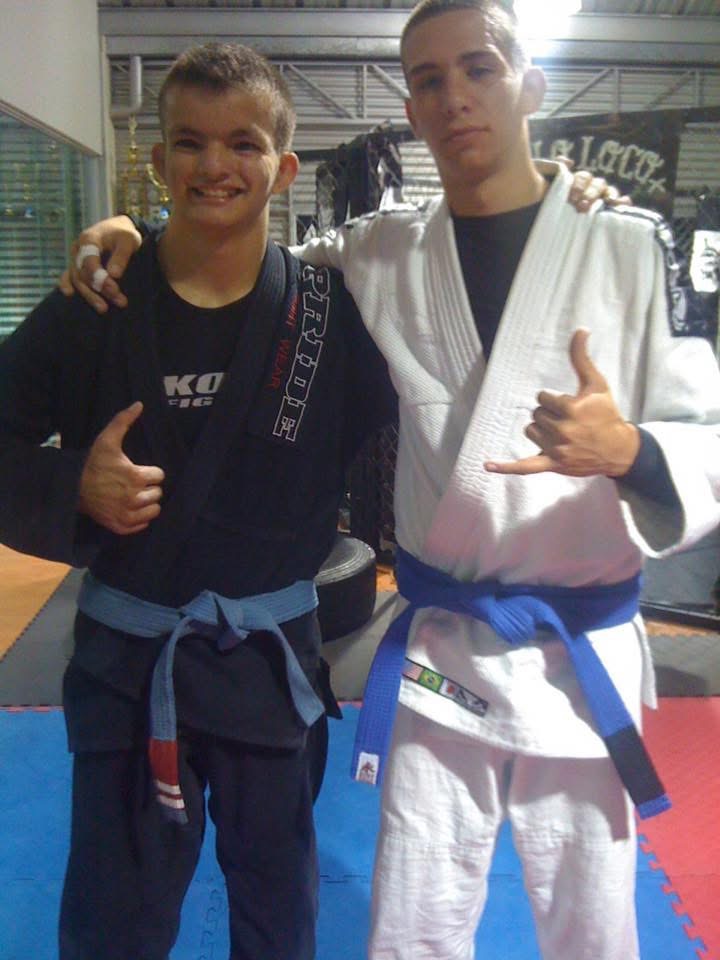
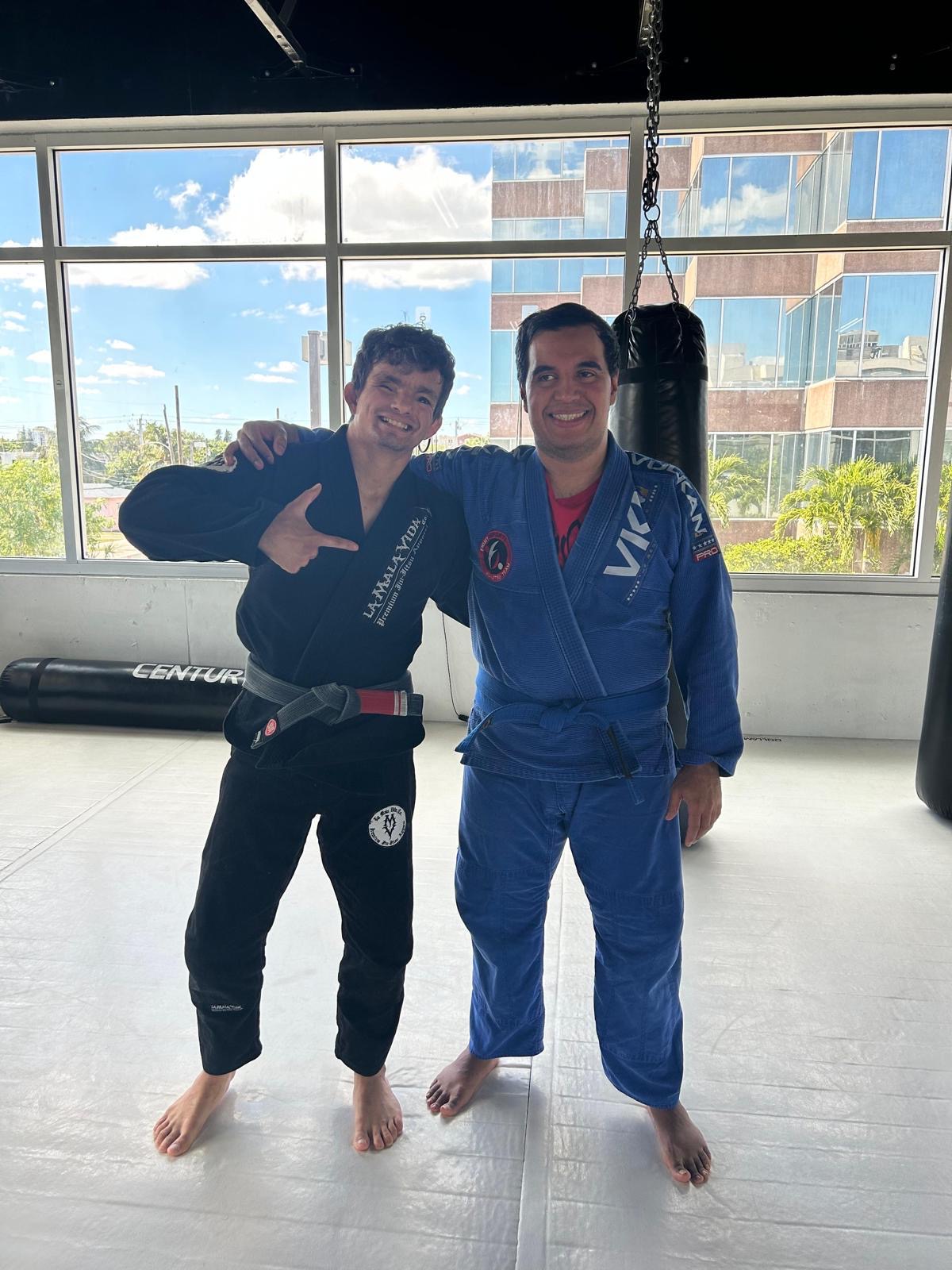
It was his cousin Andres Bonilla who pulled him in. Andres was already training and wouldn't let it go — kept telling Carlos he had to come to the gym. Carlos finally said yes. He walked in already knowing what a gi felt like in his hands.
He couldn't see the room. He couldn't see his partners. He couldn't see the mat. He could feel a wristlock. He could feel a sleeve. He could feel weight shifting across his hips. Suddenly, that was enough.
Standing, he was at a disadvantage. Footwork, distance management, reading the opponent — all of that depends on sight. Off the takedown, on the ground, with two grips? Different sport. Different life.
"Once we are on the ground and I have my grips, I feel no disadvantage."
Carlos Alvarez
His cousin Andres Bonilla brings him to a high school martial arts room. He never leaves.
The last of his sight goes. Andres talks him back onto the mat. He doesn't miss a class.
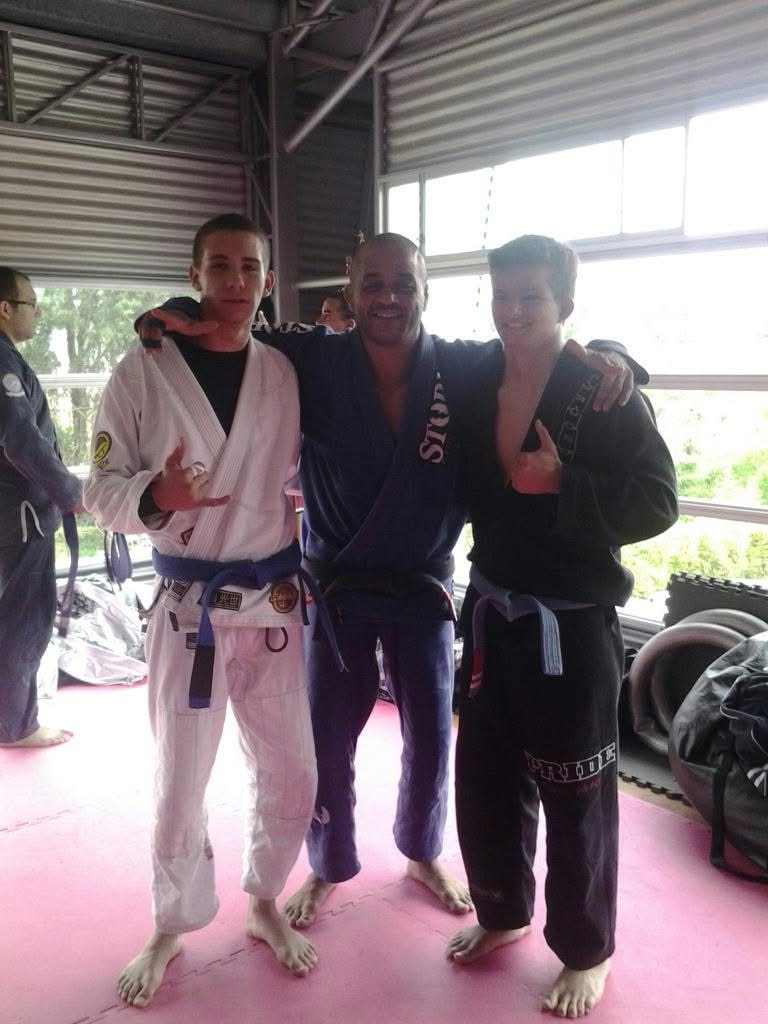
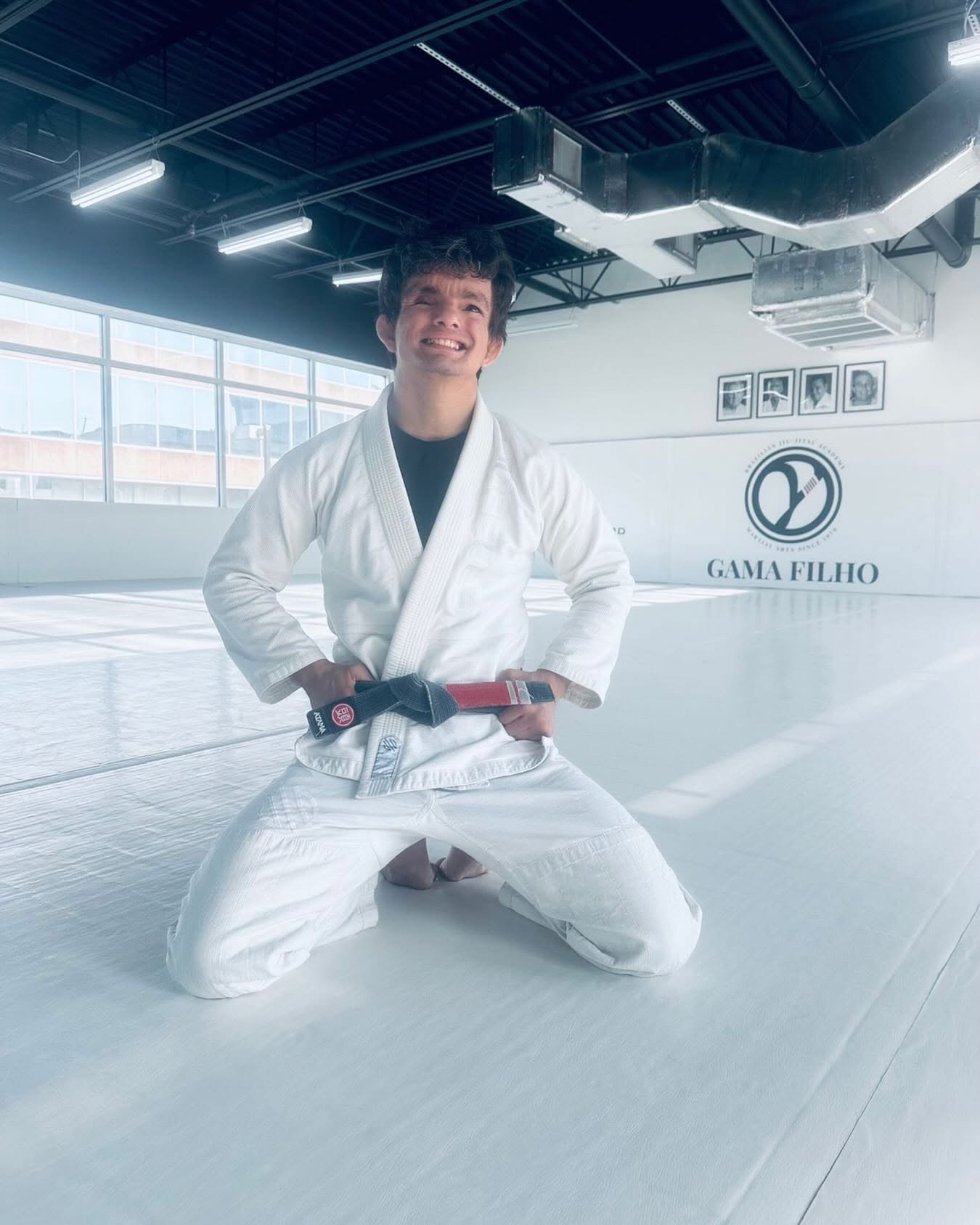
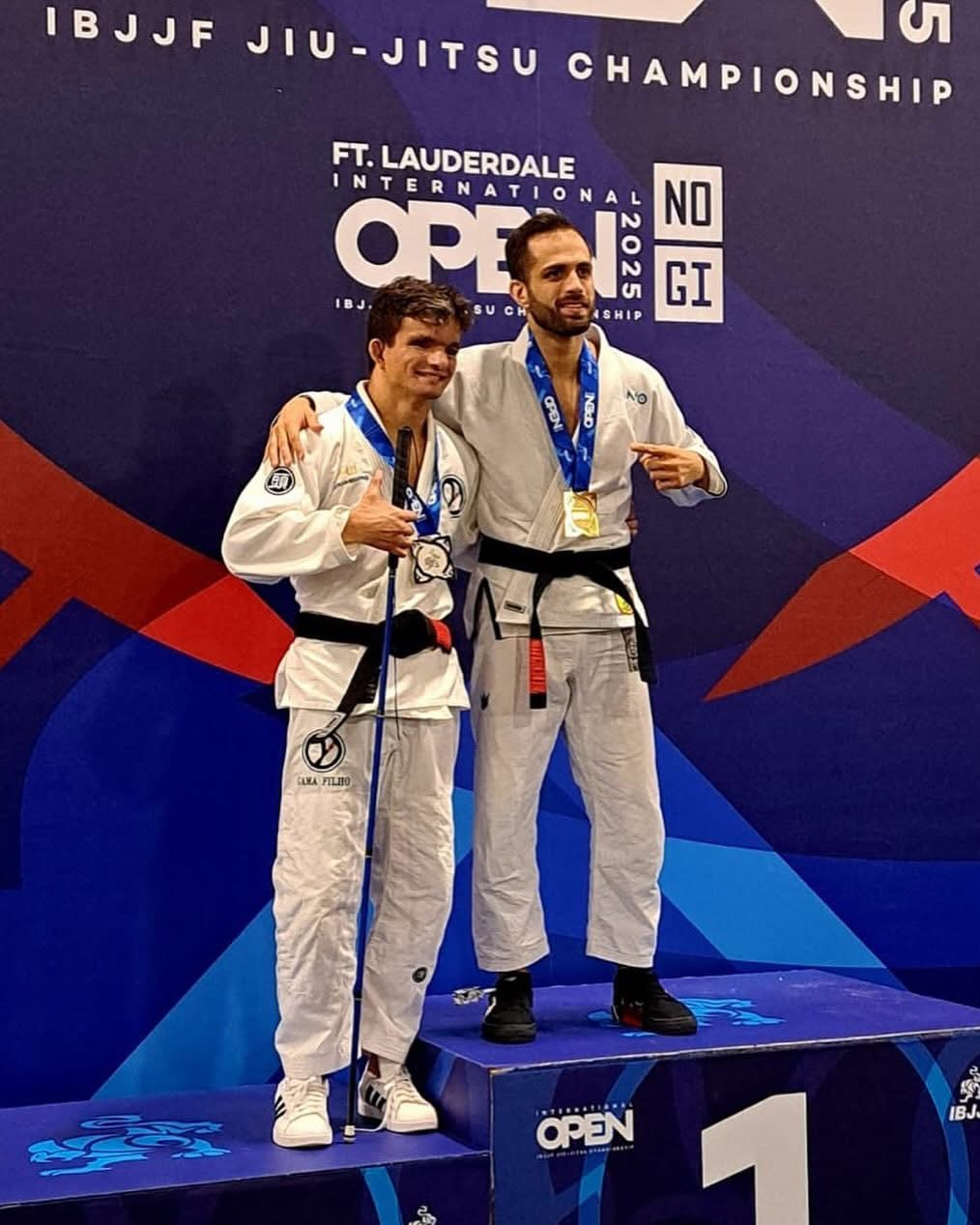
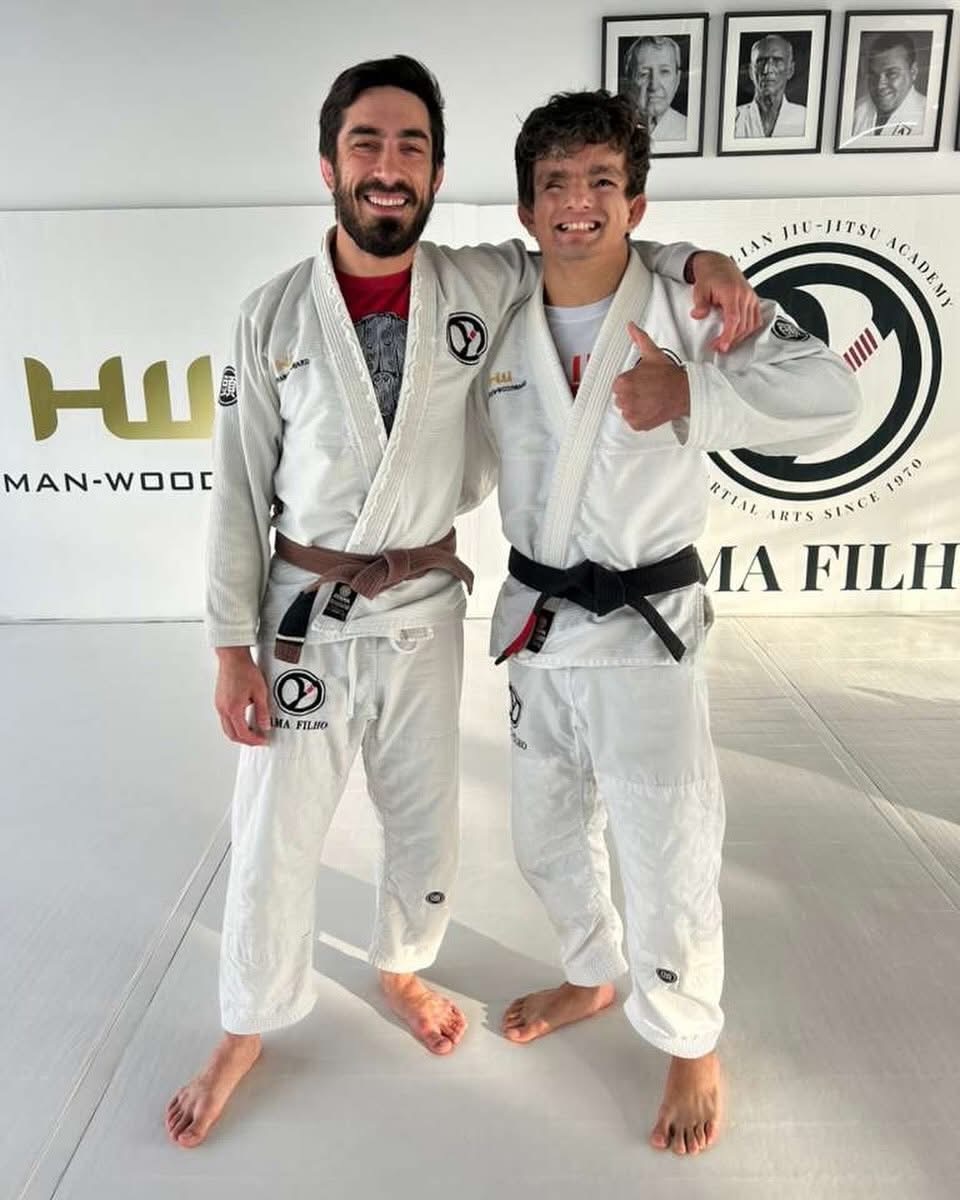
He and his mother move to Miami. Opportunity and accessibility for blind people are scarce back home. He finds Gama Filho Martial Arts and a new mat.
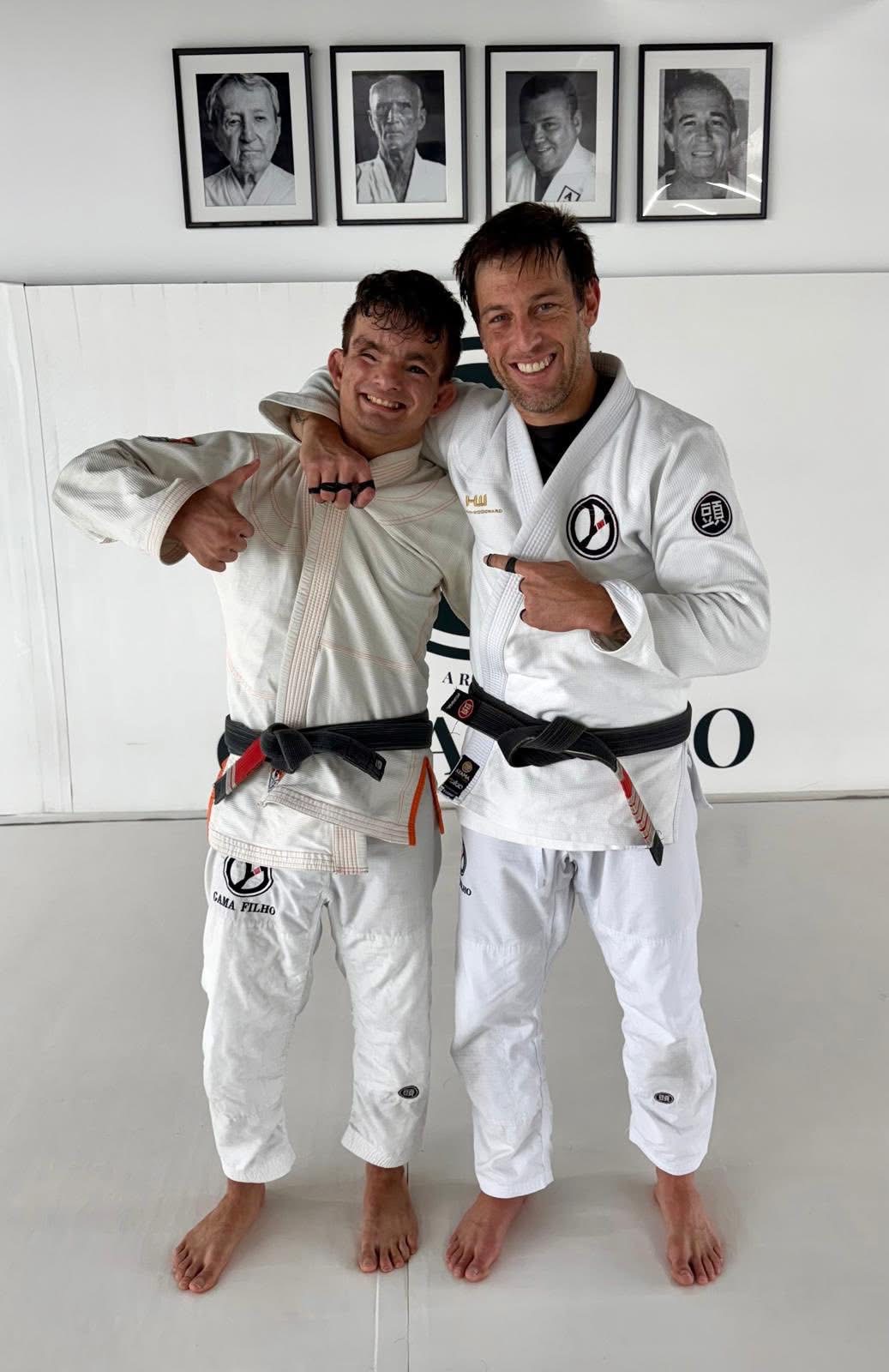
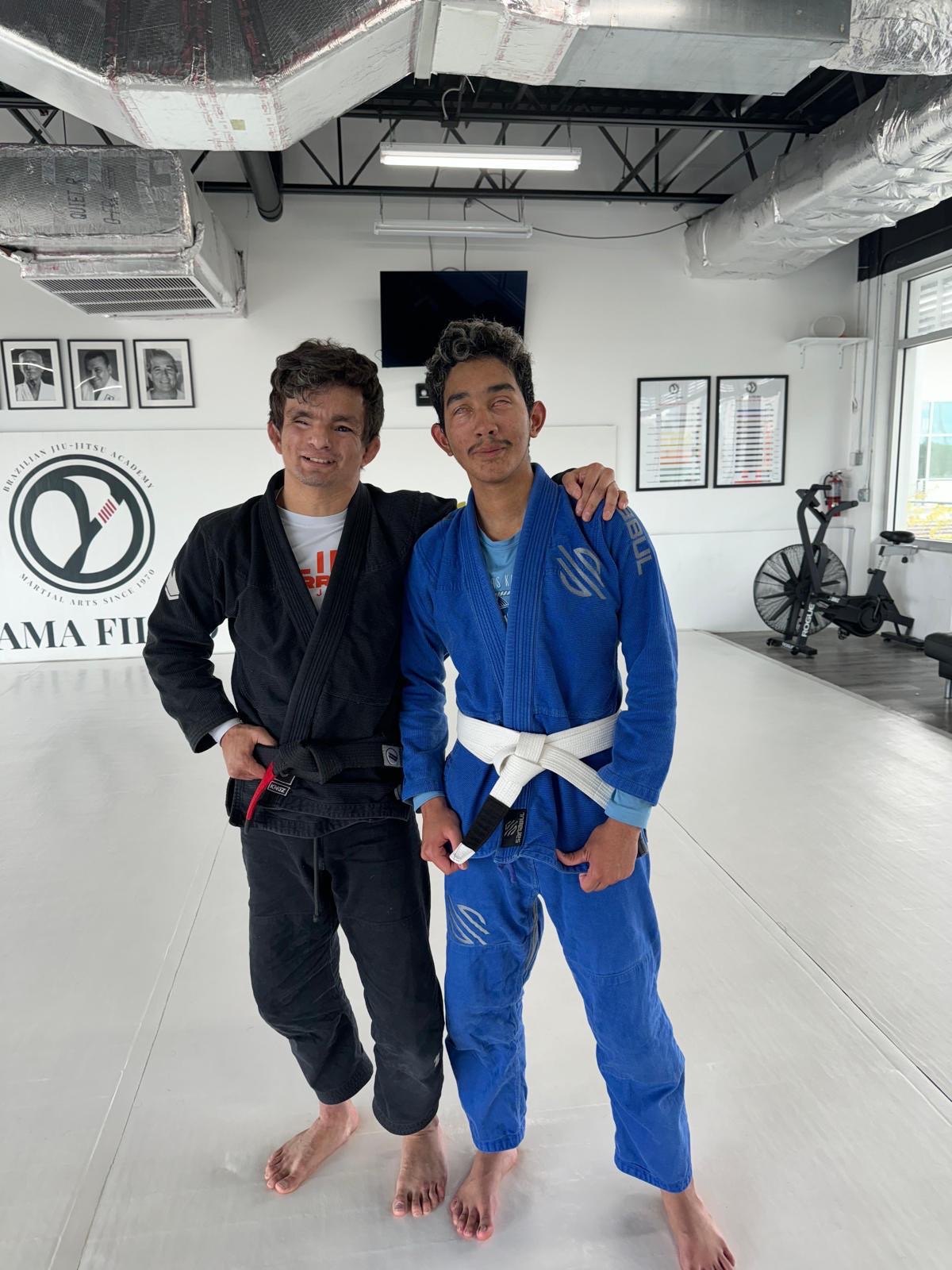
Promoted by Prof. Henrique at Gama Filho in Miami. He couldn't see the new belt, but he could feel it.
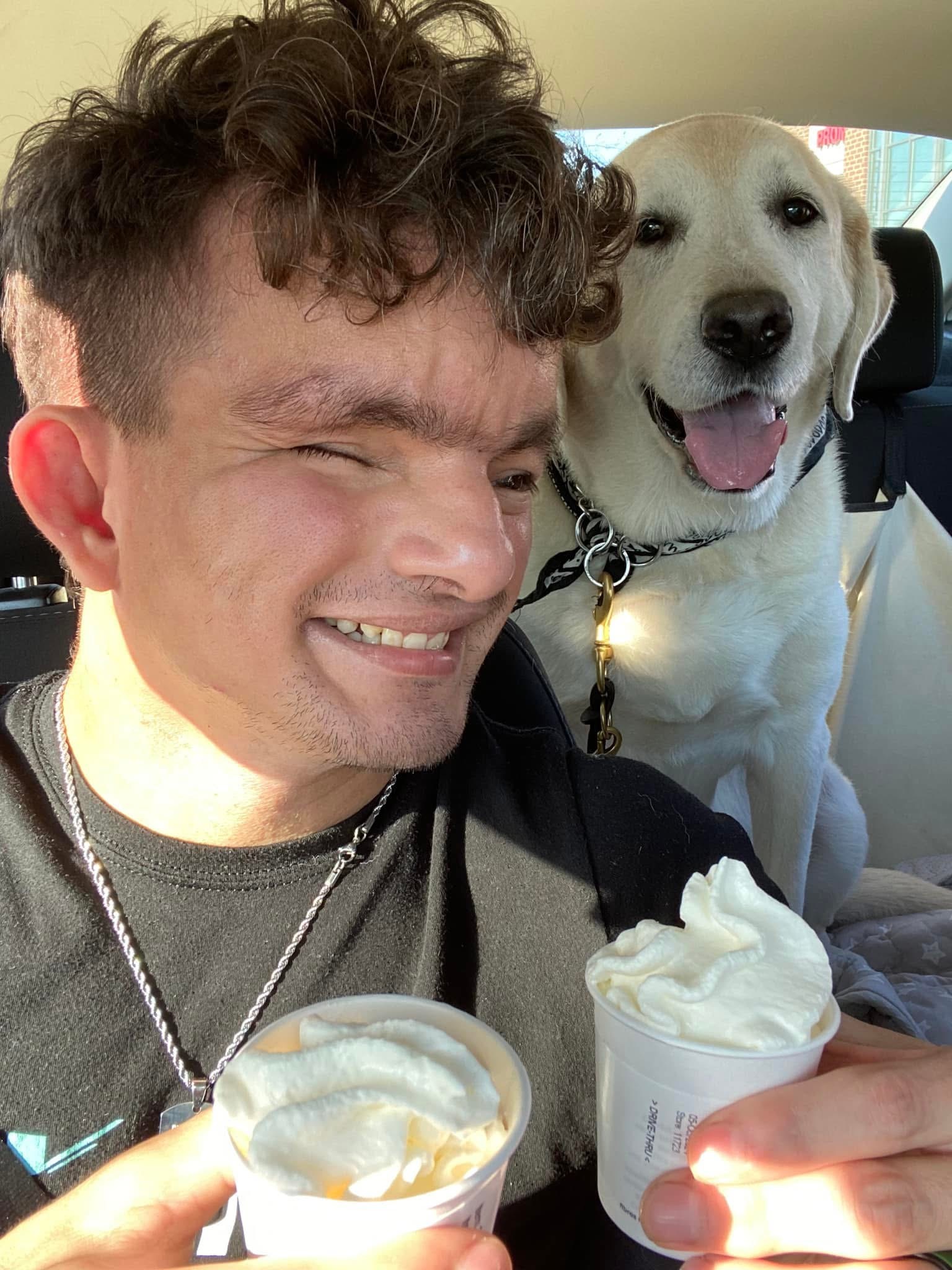
His service dog Bowie is at his side on and off the mat.
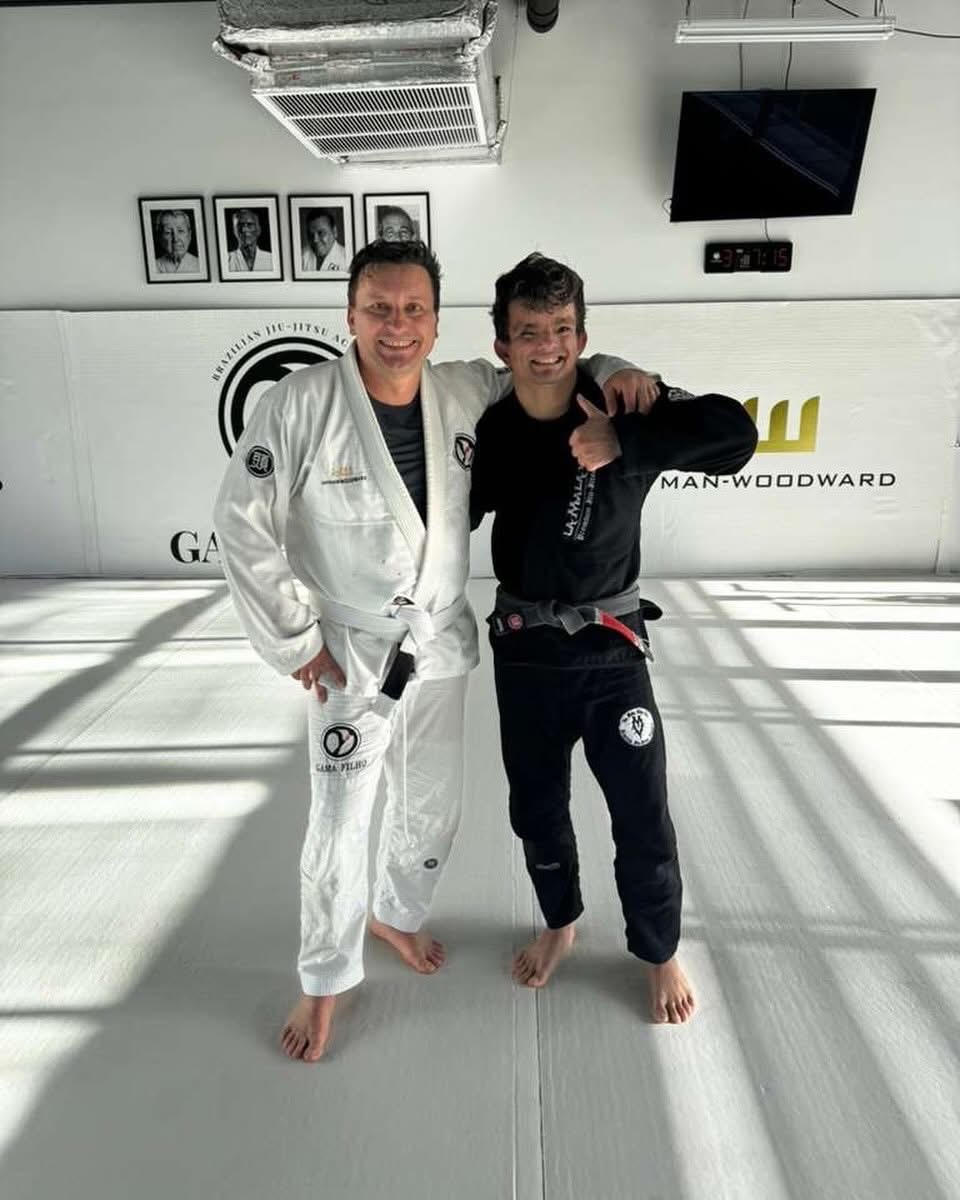
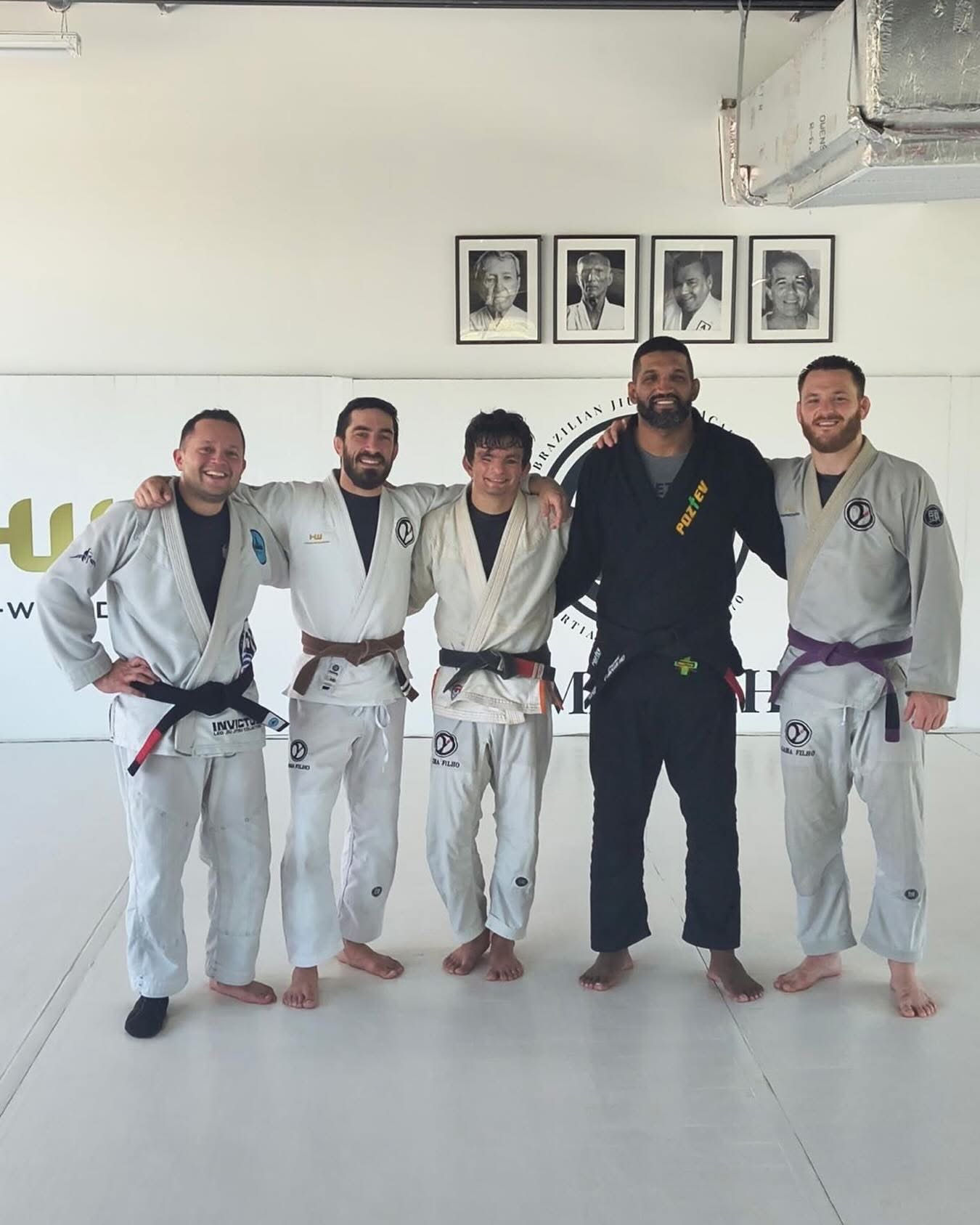
Trains in the mornings at Gama Filho in Miami. Teaches occasionally and runs privates. The rest of his time goes to the foundation.
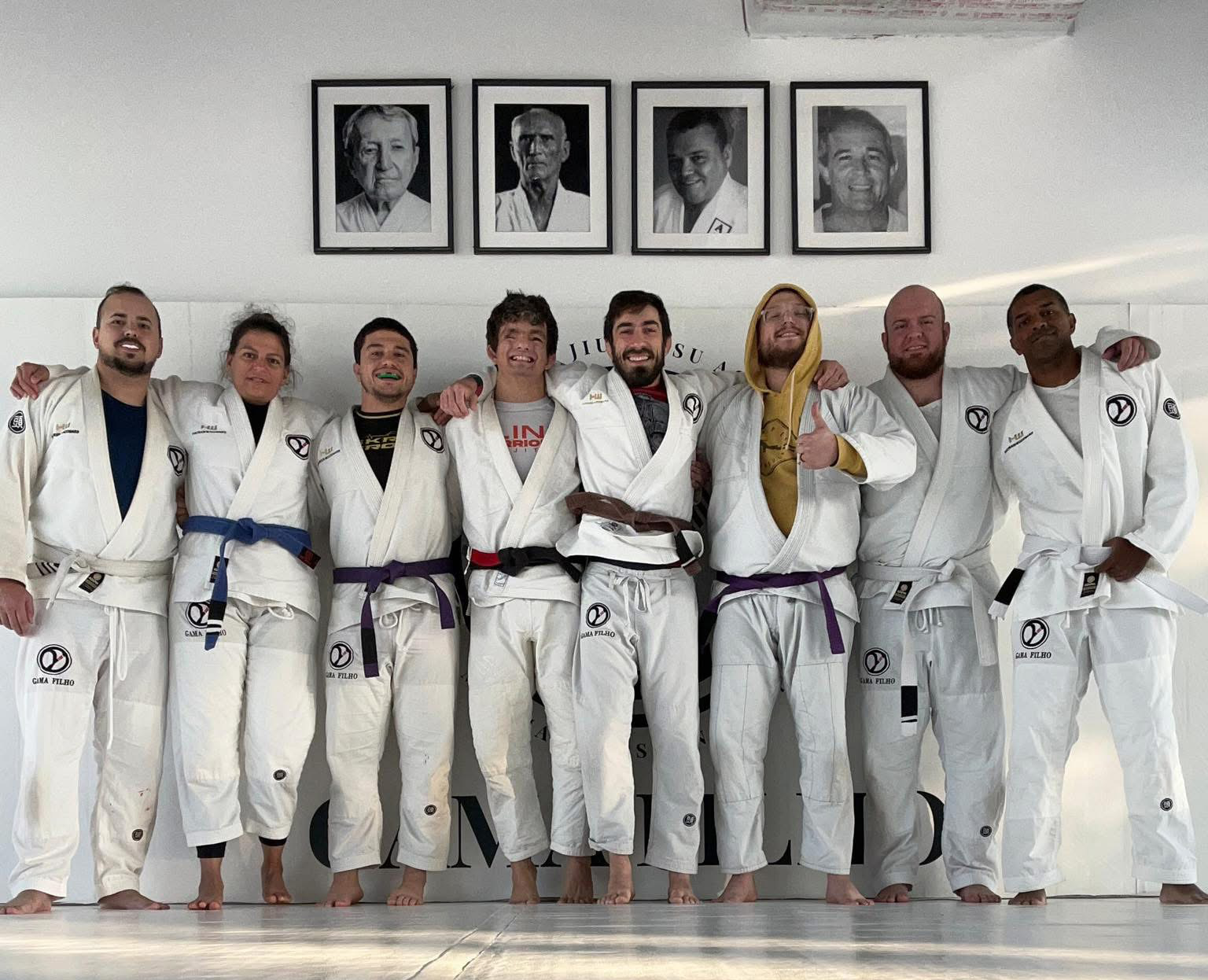
Blind Warriors funds mat fees, gis, and travel for the next generation of VI grapplers.
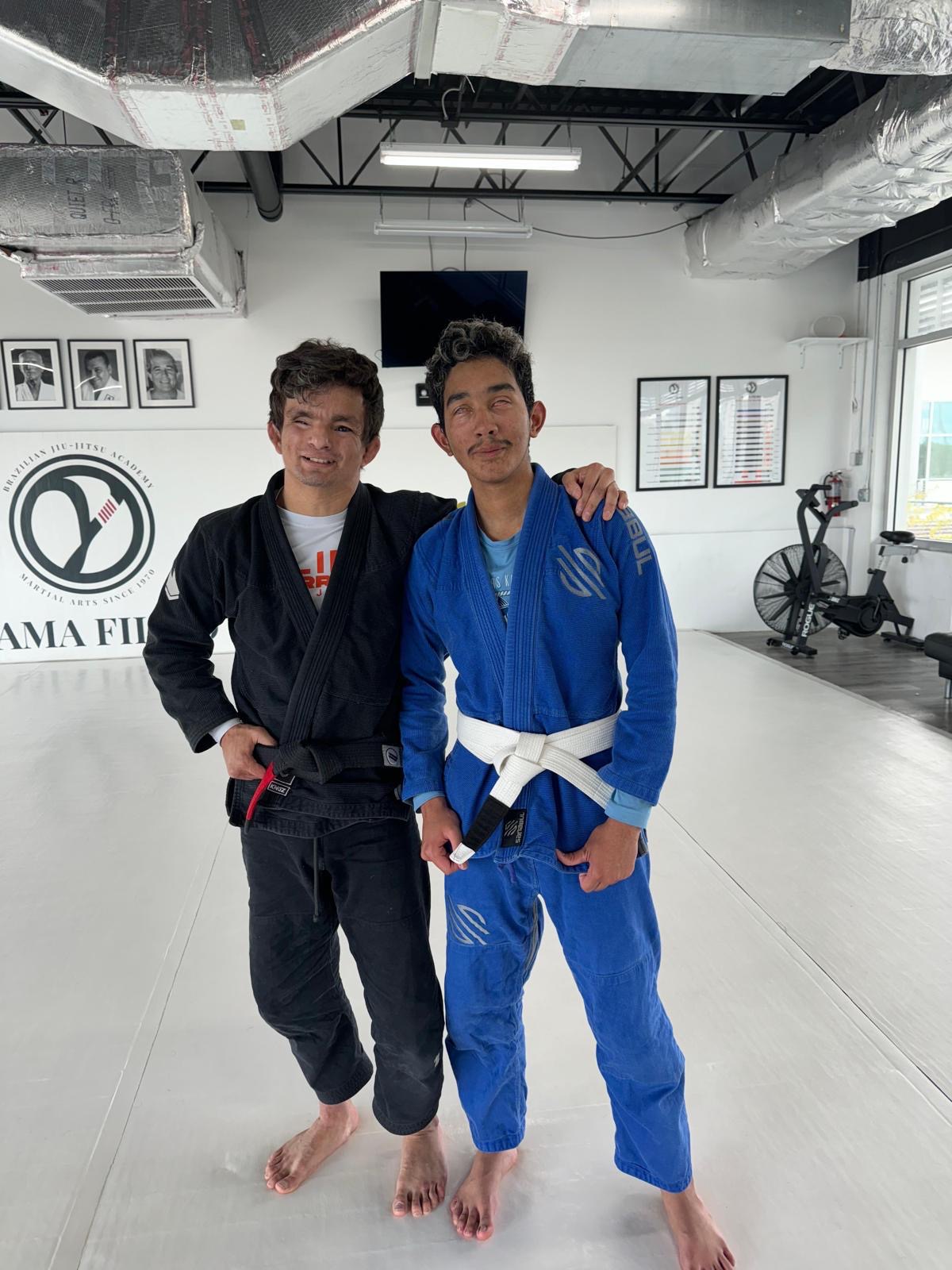
By the end of 2012, the last of his vision was gone. Total black. The world he'd been losing piece by piece since childhood — officially closed.
He almost stopped. It was Andres — the same cousin who'd dragged him to the gym in the first place — who talked him onto the mat the next morning. And the morning after that.
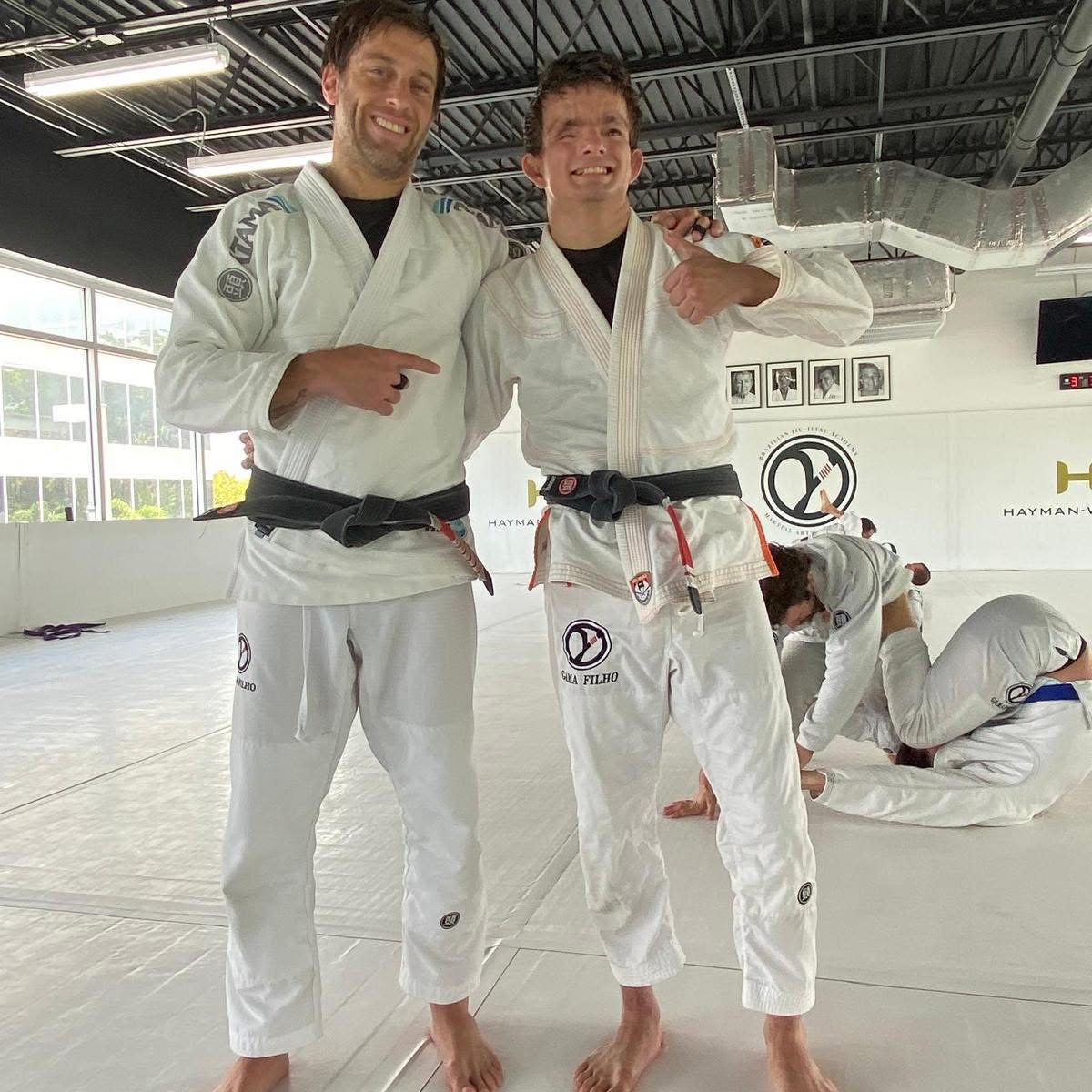
A decade in, Carlos was promoted to black belt by his coach, Professor Henrique, at Gama Filho Martial Arts. The ceremony took two minutes. The story behind it took his entire life.
He doesn't make a big deal of it. Doesn't advertise it. He shows up to morning training, ties the belt by feel, and starts rolling.
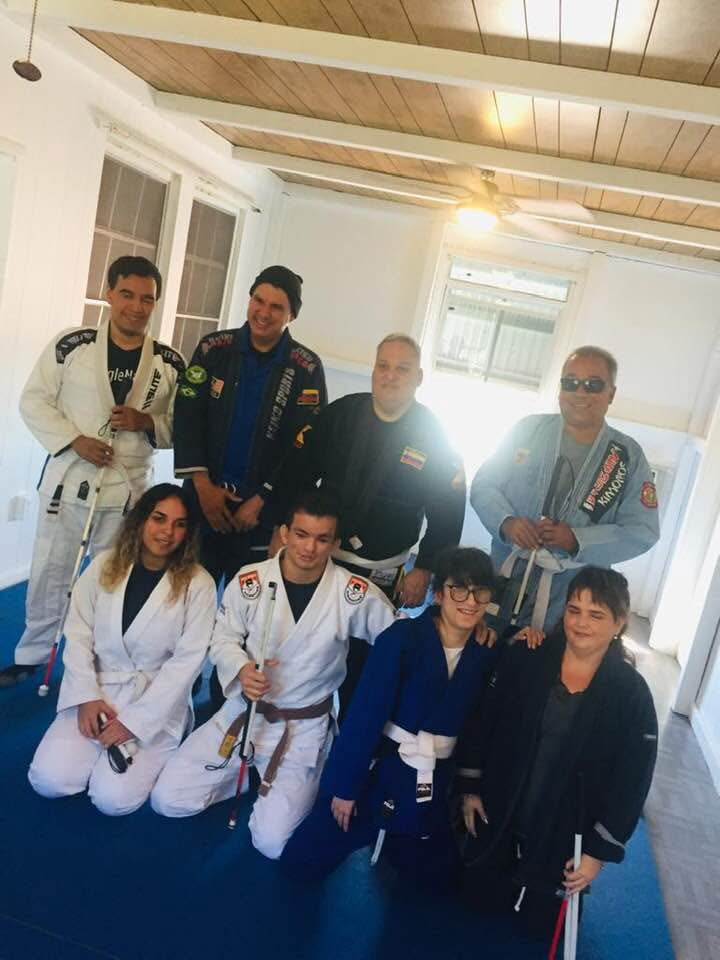
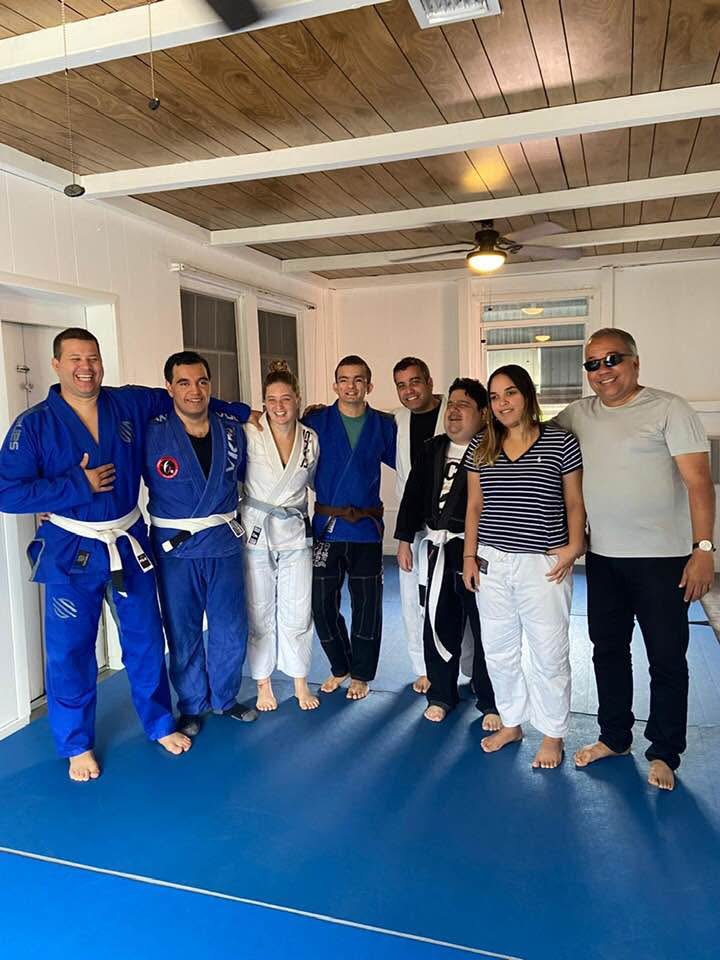
Carlos trains in the mornings at Gama Filho Martial Arts in Miami. He still teaches occasionally and runs privates, but most of his time now goes to the foundation. When he's on the mat, his students are sighted, partially sighted, totally blind — and he doesn't separate them.
Blind students learn the same submissions, sweeps, and escapes as everyone else. He just teaches the feel of them.
The sighted students learn faster because they're forced to articulate what they're doing — out loud, with words, like a real coach would.
It's a feature of the student. The mat is the mat. The grip is the grip. Pressure is pressure. None of it requires sight.
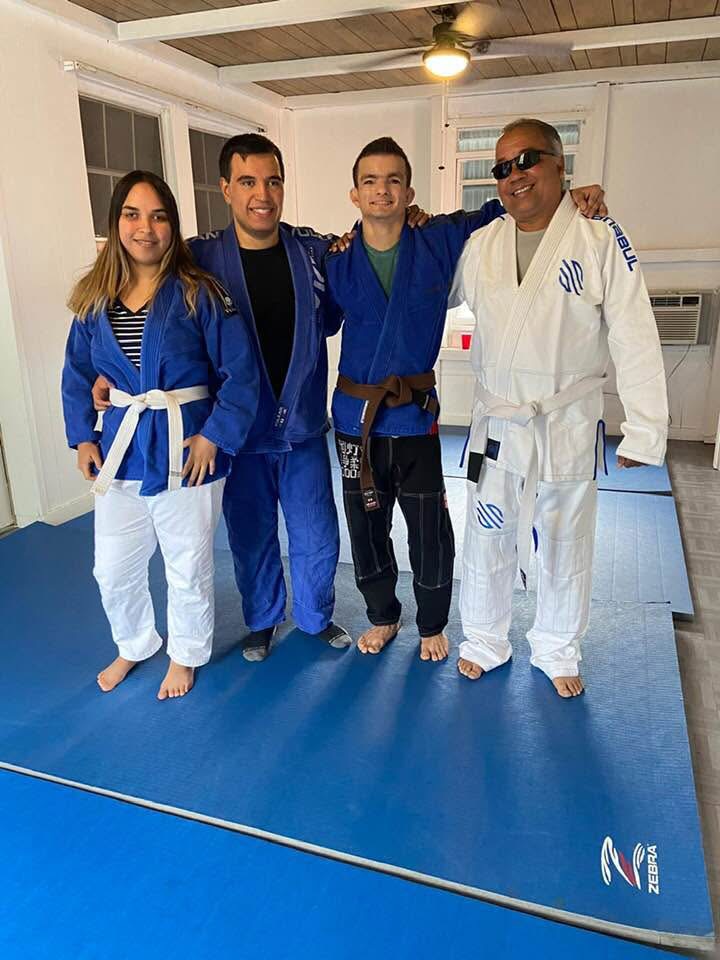
Every gi sold, every dollar donated, every seminar booked goes to the next student. Someone sitting on a mat for the first time, figuring out that down here — pressure, grips, breath — none of it needs eyes.